
WORKPLACE MENTAL HEALTH IN THE MANUFACTURING INDUSTRY AND THE ROLE OF EAPS

The factory floor is rarely quiet.
Machines are running. Production schedules are moving. Teams are coordinating. Supervisors are monitoring quality, safety, and output.
Every part of the operation depends on consistency, attention, and precision.
At the same time, employees may be managing concerns that exist beyond the workplace - family responsibilities, financial pressures, changing shifts, poor sleep, health concerns, or simply the demands of everyday life.
Mental health in manufacturing often goes unnoticed not because it isn't present, but because the work itself rarely stops. This is where workplace wellbeing initiatives and Employee Assistance Programmes (EAPs) can play an important role.
Manufacturing is often discussed in terms of output, quality, safety, efficiency, and productivity. Yet behind every machine, production line, and delivery target is a person carrying pressures that do not stay outside the factory gates.
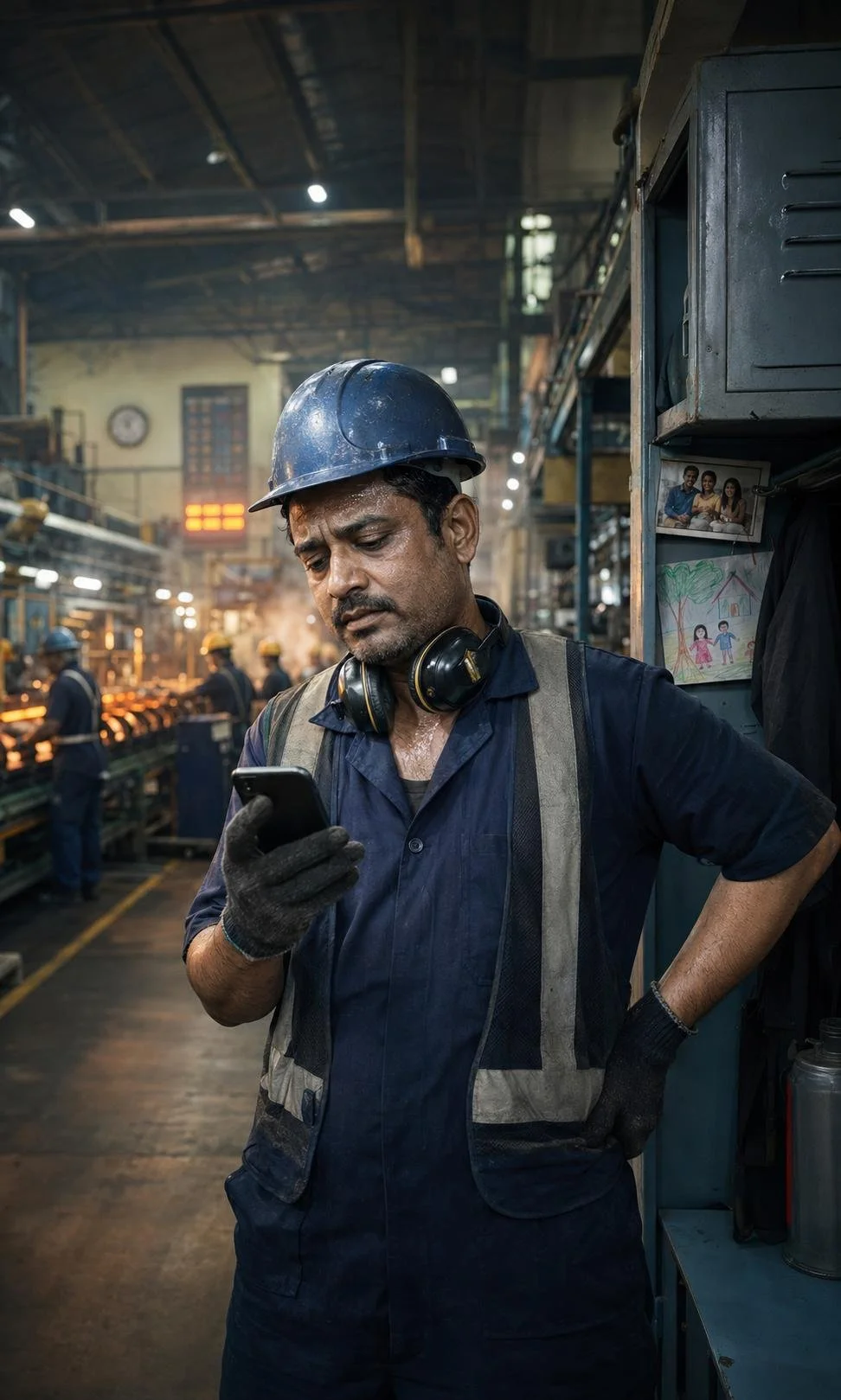
The pressures workers carry
Mental health challenges in manufacturing rarely come from a single source. They often build gradually through:
Long shifts and changing schedules
Physical fatigue and demanding work environments
Production targets and performance pressure
Financial concerns and job insecurity
Heat, noise, repetitive tasks, and physical strain
Family responsibilities outside work
A study among industrial workers in Bangalore found that anxiety and stress symptoms affected between 18% and 36% of workers, highlighting the significant emotional burden carried within industrial settings.
Why it often goes unnoticed
Unlike office environments, emotional distress on the shop floor does not always look like stress.
It may appear as:
Increased irritability
Reduced concentration
More frequent mistakes
Absenteeism
Withdrawal from colleagues
Physical complaints such as fatigue, headaches, or sleep difficulties
Many employees continue showing up, completing their work, and meeting expectations while quietly managing these challenges.
The cost of staying silent
Broader workplace studies in India also show the business impact of poor mental health. Deloitte India estimates that it costs employers nearly USD 14 billion annually through absenteeism, presenteeism, and reduced productivity. (Source: Deloitte India Mental Health Survey)
When concerns remain unaddressed, the impact extends beyond the individual. Teams may experience lower morale, supervisors face additional pressure, and organisations risk losing valuable experience and knowledge.
At the same time, stigma continues to prevent many employees from seeking support, even when they know they are struggling.

Where EAPs make a difference
For many employees, an Employee Assistance Programme may be the first confidential space where they can speak openly about personal, emotional, family, financial, or workplace concerns.
For manufacturing employees, EAP support may include:
Stress and anxiety support
Sleep and fatigue management
Financial and family counselling
Relationship support
Substance use concerns
Manager consultations
Crisis and emotional support
The role of an EAP is not only to respond during moments of crisis. It is equally about providing support early, before concerns begin affecting wellbeing, attendance, safety, relationships, or performance.
Looking beyond productivity
Manufacturing depends on people. Machines require maintenance. Processes require improvement. Production targets require monitoring.
People require support.
Creating psychologically safe workplaces, reducing stigma, training managers to recognise signs of distress, and providing confidential access to support are not separate from business outcomes. They are part of sustaining the workforce itself.
Because behind every production number is a person, and sometimes the most important maintenance work happens away from the factory floor.

Author: Diya Ayappa
Diya is a trained counsellor and works as a content writer at Silver Oak Health. She is a passionate mental health advocate and is dedicated to creating awareness and fostering open conversations around mental well-being. Her blogs aim to empower individuals by addressing thought-provoking topics, providing personal insights, and making mental health a top priority for all.
